

Category: Industrial Robotics
-
Inside RoboDK CAM: Machining Strategies for Robotic Manufacturing
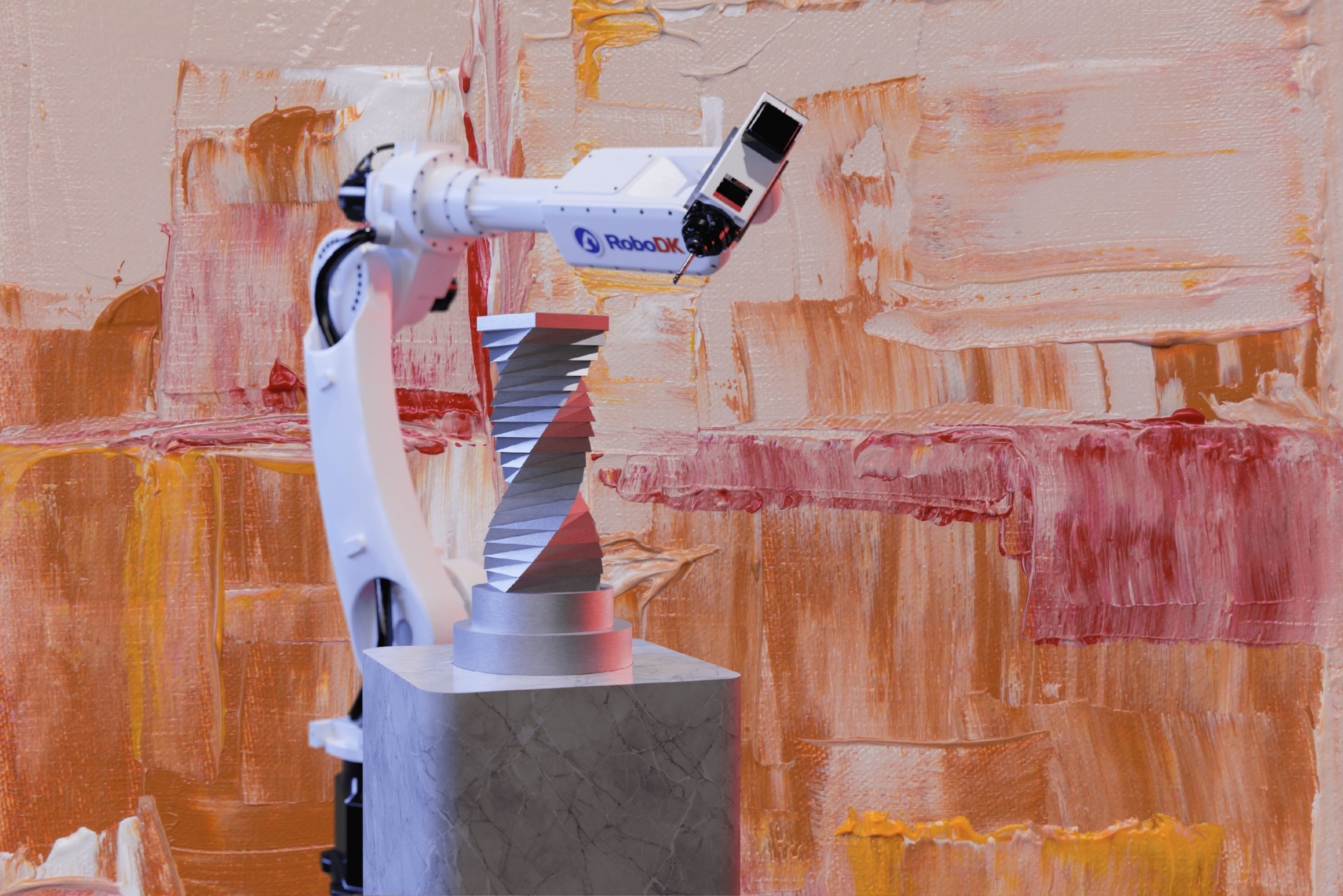
RoboDK CAM, launched in April as part of the RoboDK v6.0 update, revolutionises robotic manufacturing by integrating advanced machining strategies within the RoboDK environment. This tool supports implementing machining strategies using robots and CAD data imports, providing a cost-effective solution for manufacturers and eliminating the need for separate CAM software.
-
RoboDK v6.0 Update: New Simulation Event Instructions

RoboDK v6.0 offers a significant upgrade to its simulation engine, allowing users to simulate pick & place and material handling tasks without Python scripting. The new version introduces five additional Simulation Event Instructions that enhance dynamic workflows, including object creation, conveyor stepper, and sensor functions, simplifying complex simulations.
-
Taking a Closer Look at RoboDK CAM – The Geodesic Machining Strategy

The Geodesic machining strategy in RoboDK CAM enhances high-precision finishing for complex 3D geometries by calculating toolpaths based on the actual curvature of workpieces. It features intelligent motion control, versatile input compatibility, and automated geometry handling, ensuring superior surface quality and reduced machining time. This strategy seamlessly incorporates the creation…
-
Key Takeaways from RoboDK Exercises: Station Tree, Robot Panel, and Essential Simulation Tools

Our robot drilling simulation in RoboDK prepares users for an upcoming Pick and Place exercise. We have summarised key points from the drilling example, focusing on the Station Tree and Robot Panel components, tools for efficient programming, and quick tips. These notes help you memorise important features of RoboDK.
-
Getting Started in Robotics: An Introduction to Reference Frame Calibration
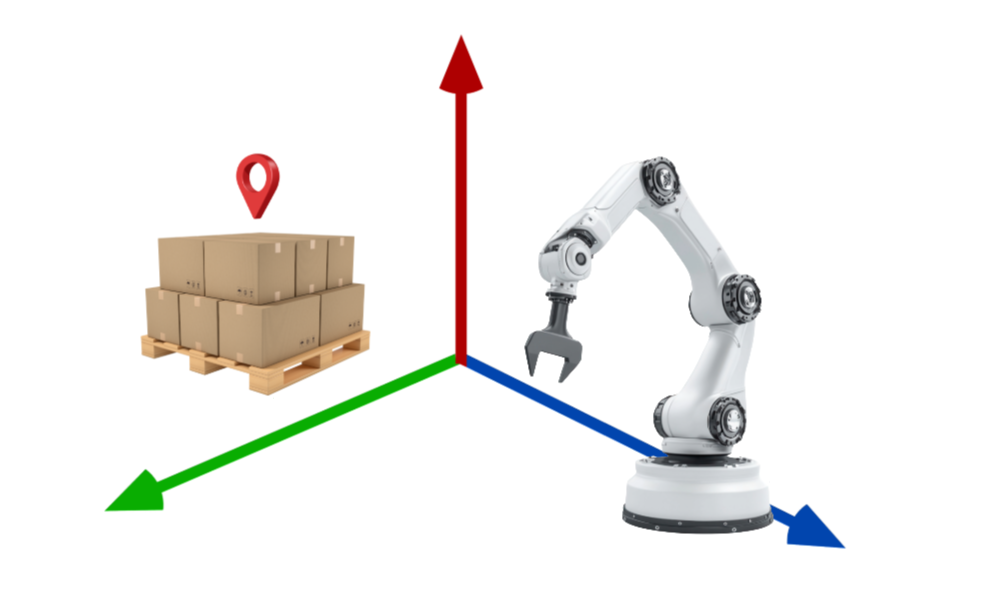
Industrial robots can achieve high repeatability via teach pendant or offline programming methods. Reference frame calibration establishes an accurate coordinate system for robot positioning and is crucial for offline programming. Here we discuss reference frames and how to calibrate them, offering operation flexibility while ensuring consistent robotic performance in production…
-
RoboDK Examples: Simplifying Industrial Automation Training

This post highlights the benefits of a simple RoboDK drilling simulation. Rather than covering the exercise in detail, we show how this example demonstrates safer training, lower costs, and transferable programming skills making industrial robotics more approachable for students and more practical for SMEs exploring automation.
-
Industrial Robotics Integration: A Professional Guide to Robot Installation and Deployment

A robotics technician or integration specialist is a highly skilled professional responsible for the mechanical and electrical installation, programming, and commissioning of robotic systems. They play a critical role in bridging engineering design with practical applications on the factory floor. Installing a new industrial robot is a complex process that…
-
China’s Industrial Robotics Landscape: Key Players, Market Trends and Growing Global Influence
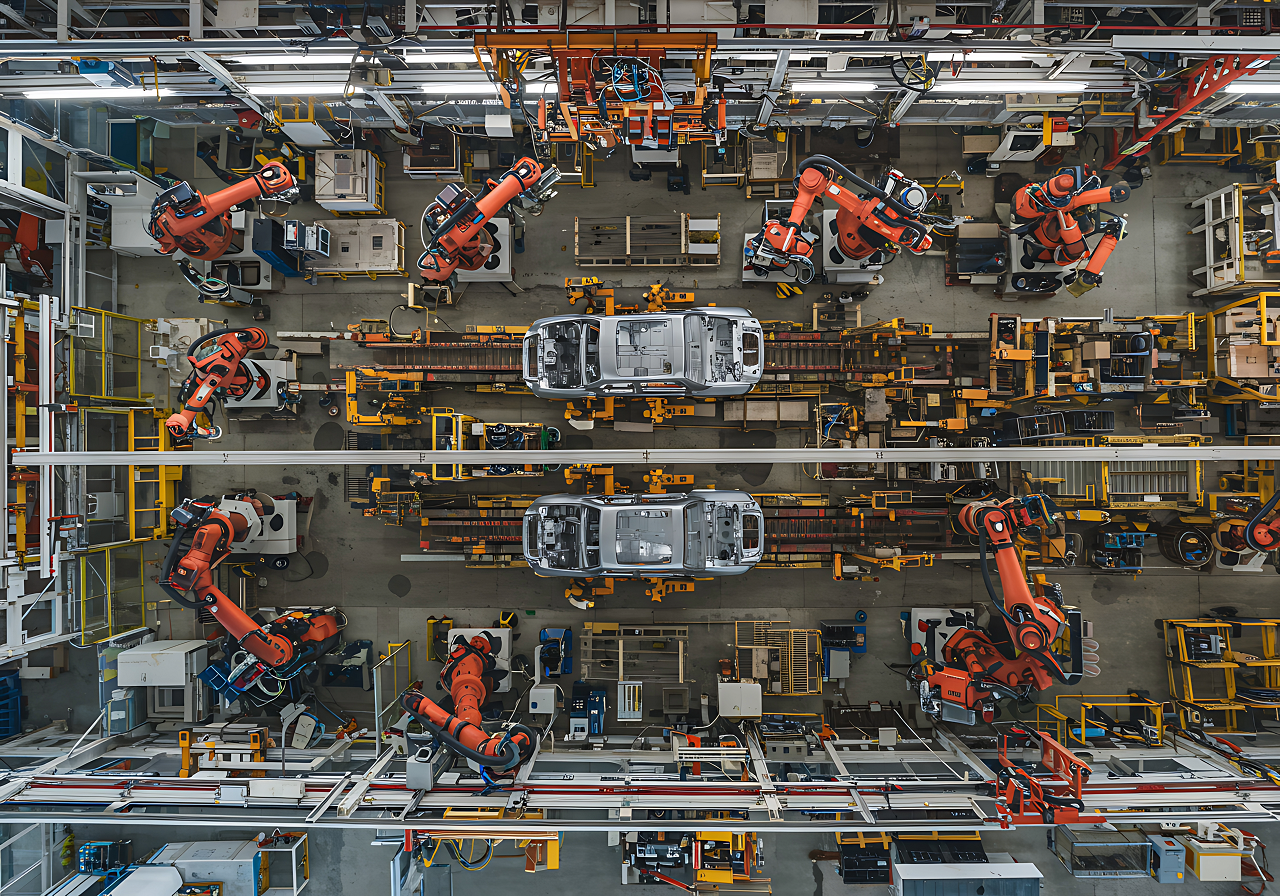
We have seen the emergence of Chinese robot manufacturers at international tradeshows this year, with ambitions to become leading suppliers in industrial robotics. Who are these robot manufacturers? This article highlights their significant rise in the marketplace and gives introductions to companies like Estun, Inovance, Siasun, and Efort.
-
The Future of Collaborative Robots: Drive for Innovation, Safer Applications and More

In our 2025’s mid-year review, collaborative robots (cobots) are increasingly significant in automation and projected to grow rapidly. Their evolving capabilities and expanding applications span various industries. Updated ISO standards enhance safety and cybersecurity measures, further integrating cobots into diverse industrial and commercial sectors for safer operations.
-
What We Saw at Automatica 2025: Smarter, Friendlier, and More Accessible Automation

Automatica 2025 in Munich saw over 49,000 visitors and featured prominent robotics exhibitors. The event showcased advancements in AI, affordable automation solutions, no-code programming, and growing presence of collaborative robots (cobots), highlighting that automation is becoming more accessible and beneficial for smaller businesses and diverse industries.
You must be logged in to post a comment.