

Category: Industrial Robotics
-
Successful Motion Planning: Understanding and Testing Configurations in RoboDK

A robot configuration determines how a robot reaches a target in space, and managing robot configurations correctly is essential to ensure safe, smooth, and controlled motions. Software like RoboDK helps users by testing configurations and visualising outcomes, vital for safety and efficiency in robot programming.
-
5 Ways to Upskill Your Manufacturing Workforce Using RoboDK

In the UK, 250,000 manufacturing businesses, primarily SMEs, aim for growth but face challenges in automation due to a lack of skilled engineers. RoboDK provides a simulation and training platform, helping teams upskill through robot simulation, cross-brand programming, CAD/CAM integration, offline trials, and fostering a culture of innovation and continuous…
-
Knowing What I Know Now: How I’d Start a Career in Industrial Robotics
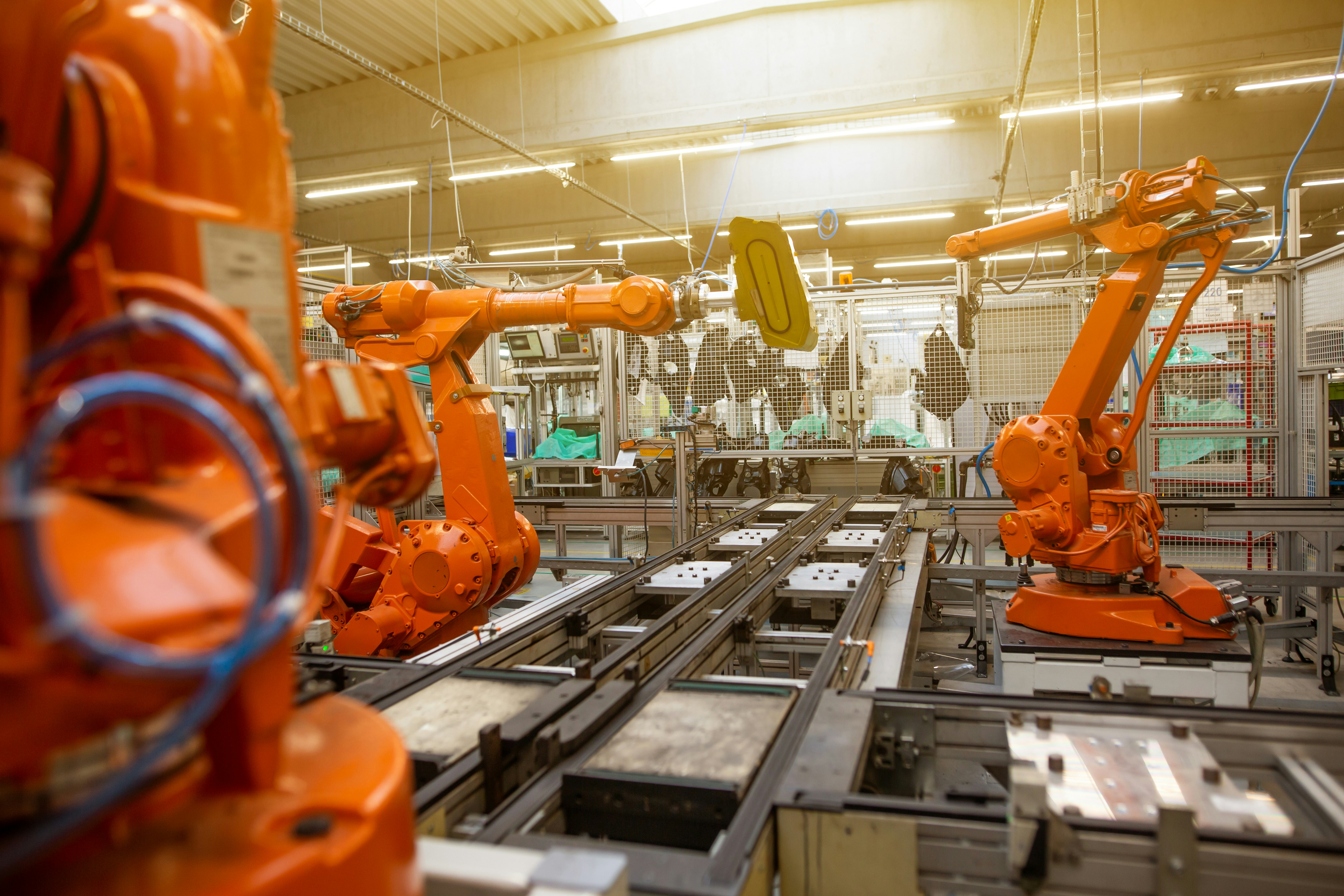
Robotics in industry is a broad, multidisciplinary, and fast-evolving field. As an engineer working in this area, I could probably list over 100 topics someone might read about to start a career in robotics, from robot kinematics and motion planning to sensor integration and safety systems. But if I could…
-
How Industrial Robot Controllers Work with Different Types of External Axes
External axes enhance industrial robotic systems by expanding their capabilities and productivity, offering additional degrees of freedom. This article discusses types, integration, and motion management of external axes such as positioners for robots, parts, and tools. Understanding synchronous and asynchronous motion is essential for efficient robotic operation and design.
-
Popular Robotic Applications That Benefit Most from Offline Programming
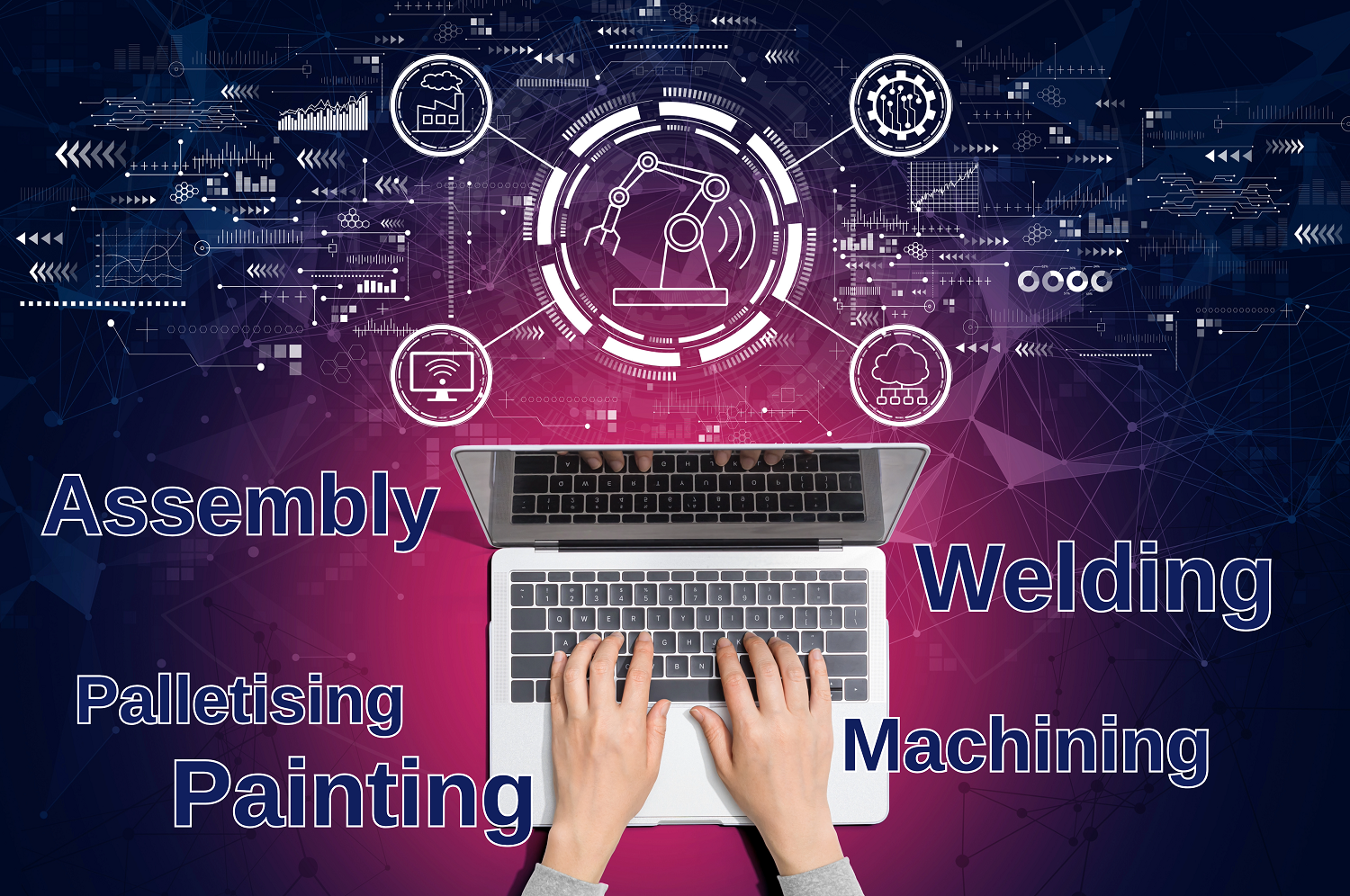
When to use offline programming in robotics? Here are the top industrial applications where offline robot programming delivers the most value. Key applications include robotic welding, machining, painting, Palletising, and additive manufacturing. We discuss how OLP optimises complex robotic tasks, minimises setup time, enhances accuracy, and facilitates rapid adjustments.
-
KUKA Robot Configuration with External Axes – Part 2: Logical Synchronisation Using System Files

In Part 1, we explored key KUKA system files such as $machine.dat, $config.dat, and bas.src, which are critical to the robot’s control architecture. In this follow-up, we take a deeper look at how these files are used to logically integrate an external axis, such as a rotary turntable or linear…
-
KUKA Robot Configuration with External Axes – Part 1: Understanding Core System Files

Are you working with a KUKA robot and considering the addition of an external axis, such as a linear track or rotary table, to extend its capabilities? External axes are a powerful way to enhance a robot’s workspace and flexibility. For example: To make this integration work, the KUKA controller…
-
Exploring Careers in Industrial Robotics Careers: Where Do You Fit?

Industrial robotics presents diverse career opportunities, including roles such as Robotics Engineer, Technician, Systems Integrator, and Software Engineer. Each position plays a crucial part in enhancing automation and efficiency. As the industry evolves, the demand for skilled professionals continues to rise, inviting individuals with various technical skills to contribute.
-
RoboDK’s 10-Year Milestone: Shaping the Future of Robotics and Automation

RoboDK marks its 10th anniversary, providing robotic simulation and offline programming tools for over 1,000 robots from 90 manufacturers. Founded to break brand-specific limitations, it has become a vital resource for users, ranging from students to professionals. Its flexibility and AI readiness position RoboDK as a leader in the evolving…
-
Repeatability and Accuracy of Industrial Robots: What is Robot Calibration?
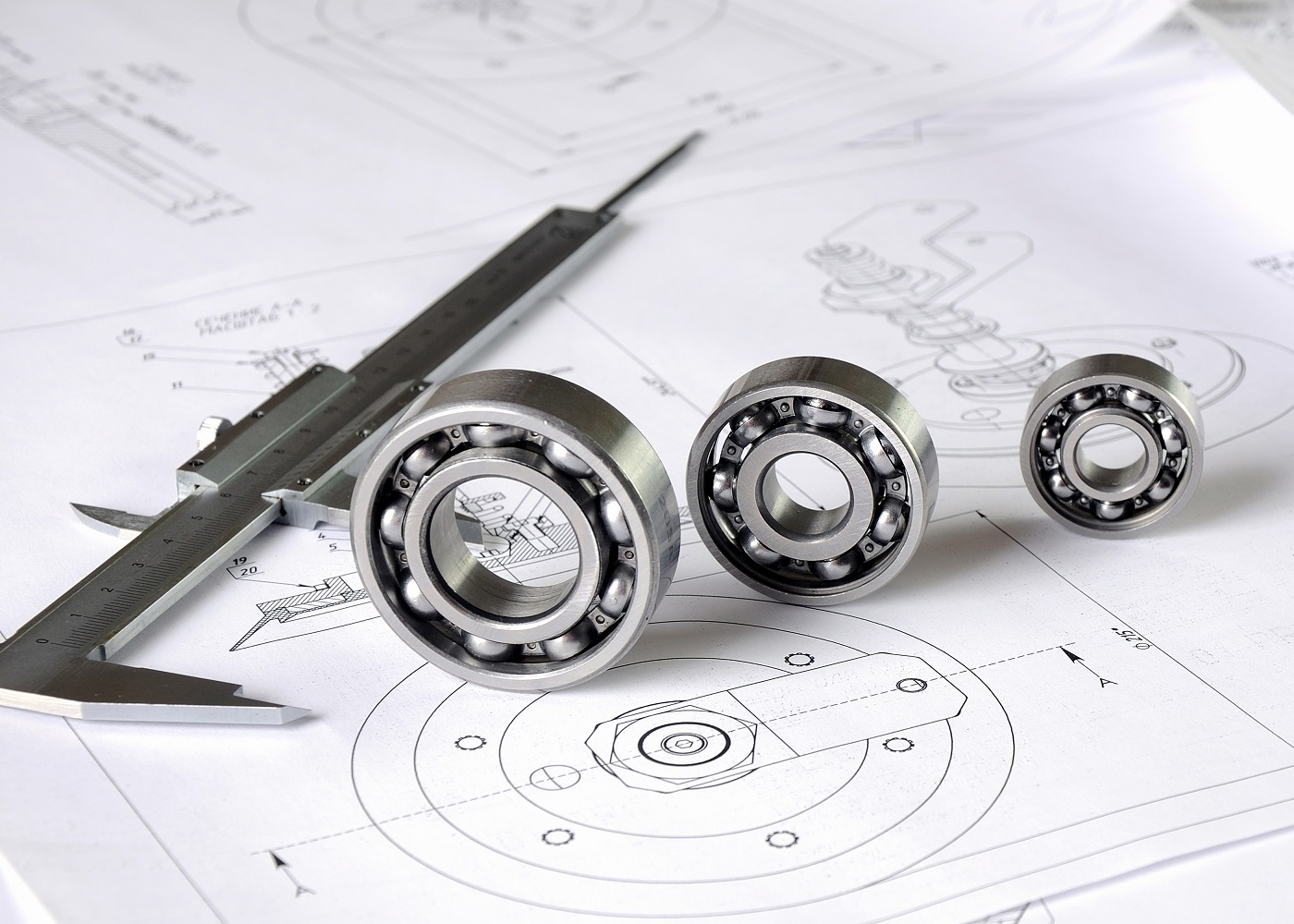
Our guide on how to select an industrial robot briefly touched on the repeatability and precision (absolute accuracy) specifications of a robot. In this article, we present a deeper review around the topics of a robot’s positioning abilities and explain how inaccuracies can be mitigated by robot calibration. The ISO…
You must be logged in to post a comment.