

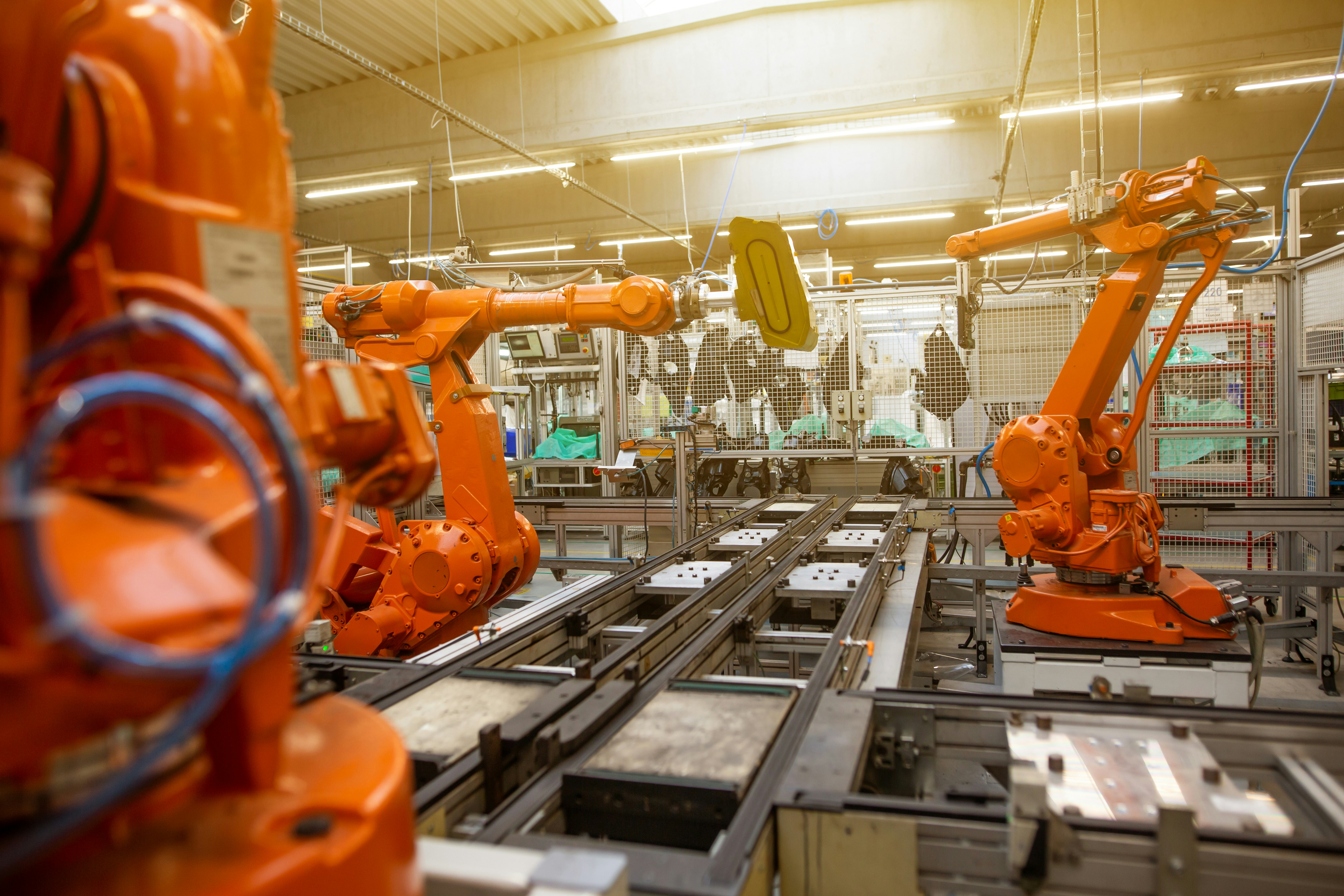
Robotics in industry is a broad, multidisciplinary, and fast-evolving field. As an engineer working in this area, I could probably list over 100 topics someone might read about to start a career in robotics, from robot kinematics and motion planning to sensor integration and safety systems. But if I could go back and restart my journey with everything I’ve learned so far, I would take a far more focused and strategic approach.
Disciplines Involved in Industrial Robotics
There are many roles and entry points into the field of industrial robotics. Choosing one area to focus on early, and then expanding into the wider ecosystem, can make the learning curve more manageable.
Core Robotics
These are the fundamental principles of robotics engineering, including:
- Forward and inverse kinematics
- Trajectory planning
- Motion control
- Force/torque sensing and compliance
These topics can’t be avoided in robotics. You don’t need to be an expert or have a degree, but understanding the basics will make it easier to grasp advanced topics later. Even if you work in software, integration, or vision, having this foundation helps you understand how robots move and interact with the environment.
Mechanical / Mechatronics
Industrial robots are physical systems. Understanding how they’re designed and built is essential. This includes:
- Actuators and sensors
- Structural design and load considerations
- End-of-arm tooling (EOAT)
- CAD modeling and prototyping
Mechatronics brings together mechanical, electrical, computing, and control, which are essential for developing robotic cells in automation and manufacturing.
Control Systems
Controls are the brains of automation. Control engineers design and implement controllers for robots and automated systems. Key subjects include:
- PID control and feedback loops
- State machines and logic control
- Embedded and Real-time systems
- Safety circuits and interlocks
This area is also the bridge between robotics and automation, especially when integrating robots with sensors or other systems.
Programming
From robot-specific programming (e.g., ABB RAPID, KUKA KRL) to PC-based control software, a robot programmer can be an operator using a teach pendant or an engineer producing high-level programs, such as:
- Control and data handling in Python or C++
- ROS (Robot Operating System) simulation and integration
- SDKs/APIs for vision, force sensors, or custom logic
You don’t have to start as a software developer, but understanding programs and scripting is key to more opportunities in the field of robotics.
Robotic Vision
Vision is crucial for advanced automation and expands what robots can do, from part picking to inspection. This includes:
- 2D and 3D camera systems
- Object detection and pose estimation
- Camera calibration
- Vision-guided applications and machine learning
For mobile robotics, SLAM (Simultaneous Localisation and Mapping) is key to autonomous navigation in AGVs and drones.
How to Start a Career in Robotics?
No matter which route you choose, mechanical, software, or integration, here are the steps I recommend today:
1. Start Small and Build a Project Portfolio
As people say, one doesn’t need a job to get experience. Employers value initiatives and passion in this field. From building a motor control circuit using Arduino or Raspberry Pi, to making your own desktop robot arm, there are plenty of tutorials and examples available. Whichever personal projects you decide to pursue, remember to document everything and present them professionally.
2. Use Simulation Early
A robot simulation tool lets you practice with virtual robots and tools before access to real ones. It can simulate robot applications as both a proof of concept and a great way for learning robotics:
- ROS and Gezebo – open-source robotic simulation tool, best for learning sensor integration, physics simulation, and mobile robots.
- RoboDK – offers a collection of affordable tools for offline programming and path generation. It supports robots from over 80 brands.
Robot simulation can help with process design, motion planning, visualisation, and even cycle time estimation.
3. Get Hands-on Industry Experience
Look out for real world experiences in the industry. There can be internship opportunities at manufacturing factories, small workshops, robot integrators, or robotics labs. It is impossible to gain experience with every robot brand (ABB, FANUC, KUKA, UR, etc.) as each one has their own ecosystem, but starting with just one platform and mastering it would be extremely valuable. This can help you get comfortable, put theories into practice, and expand to other brands much quicker.
Conclusion
Looking back from where I am, I’d start by choosing one area to focus on, then branch into system-level understanding, integration, and other platforms. I’d build simple projects, spend more time in simulation tools early on, network with professionals in the field, and document every step of the journey. Industrial robotics is multidisciplinary and dynamic. In addition to working directly with robots, roles in electrical and electronics, AI algorithm research, front-end software development, and sales and marketing also contribute to the advancement of robotics. While new technologies can emerge quickly, mastering core principles and maintaining the ability to learn will always prevail.